
The Edible Garden in December
As the outdoor edible gardening season ends, think about protecting soil through the winter, preparing for next year and consider indoor growing for winter enjoyment.
As the outdoor edible gardening season ends, think about protecting soil through the winter, preparing for next year and consider indoor growing for winter enjoyment.
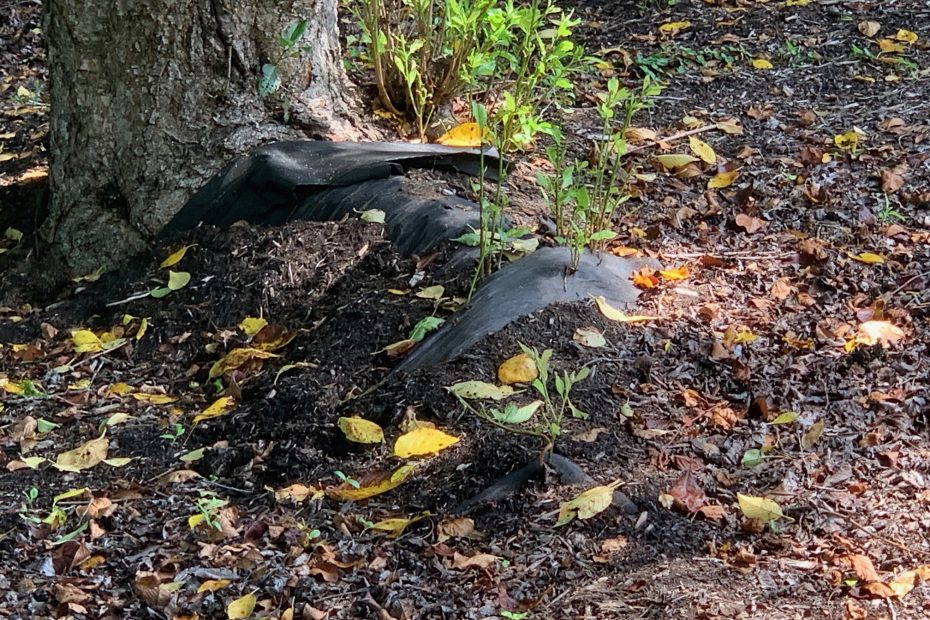
Plastic landscape fabric is not the weed prevention solution it claims to be.
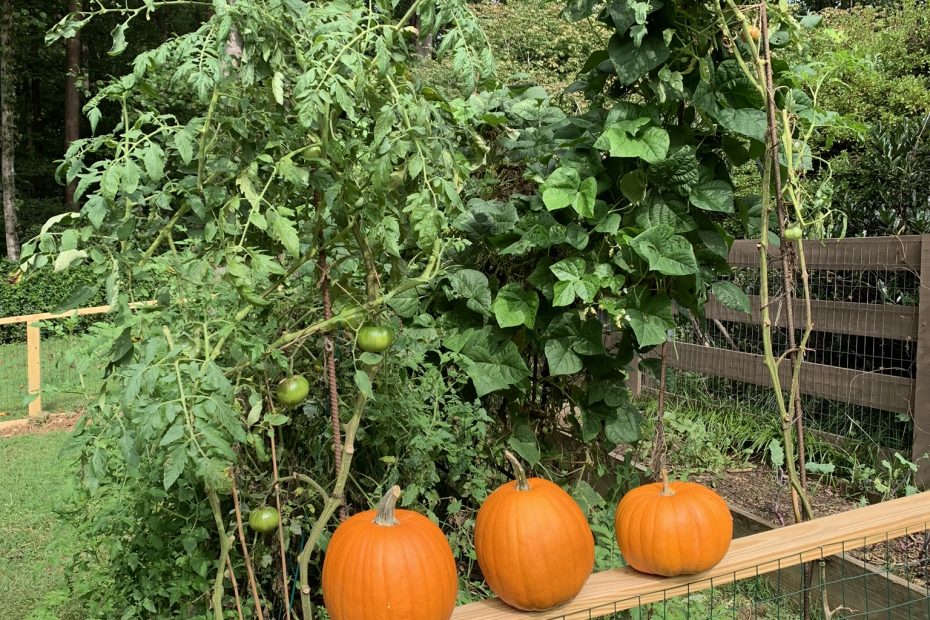
October provides gardeners with tasks to protect soil over the winter, while still allowing some planting and documentation of this year’s garden use and learning.
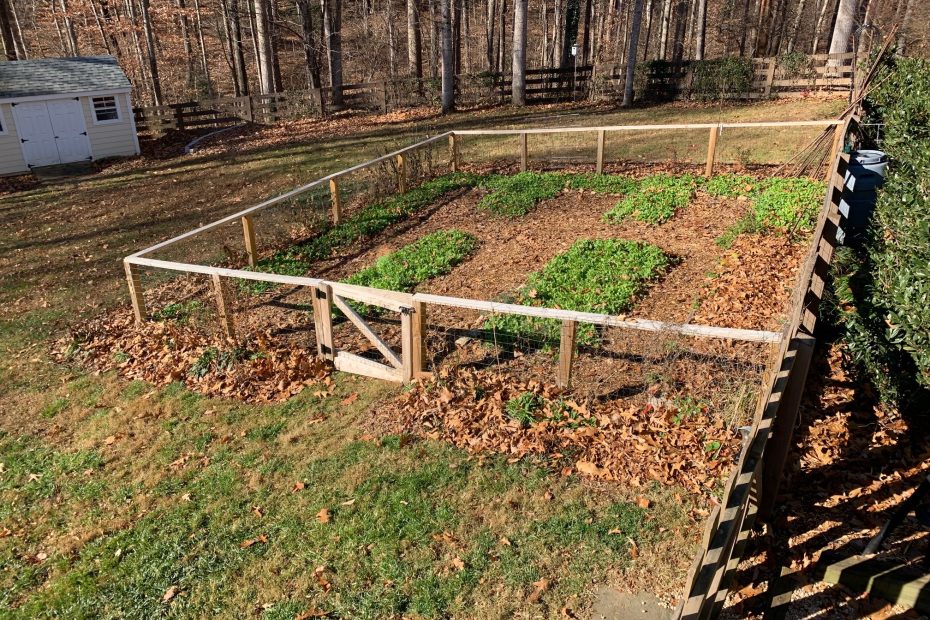
November edible gardening includes protecting cold weather crops to extend their harvest while preparing the beds and records to get things off to a good start next spring.
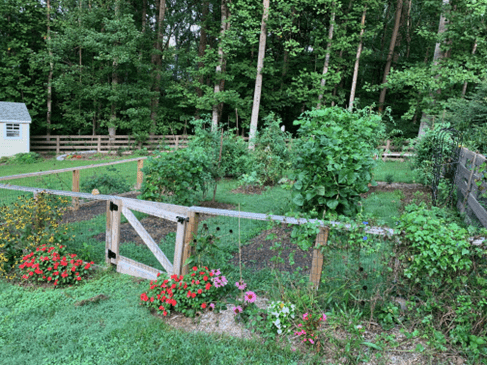
September is a busy time for gardeners as we harvest ripe crops, plant fall crops and begin planning how to protect and strengthen soil as the season’s end approaches.
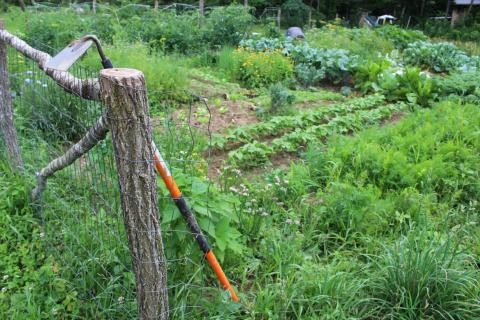
No-till, as part of a regenerative gardening program can provide excellent benefit to soil, the environment, and garden production.

August: harvest summer crops, plant fall crops while attending to insects, diseases and moisture requirements.
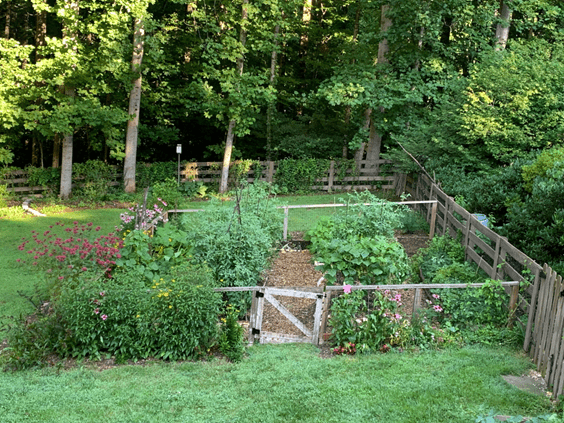
How to manage the hot, dry summer weather while keeping plants healthy and productive.
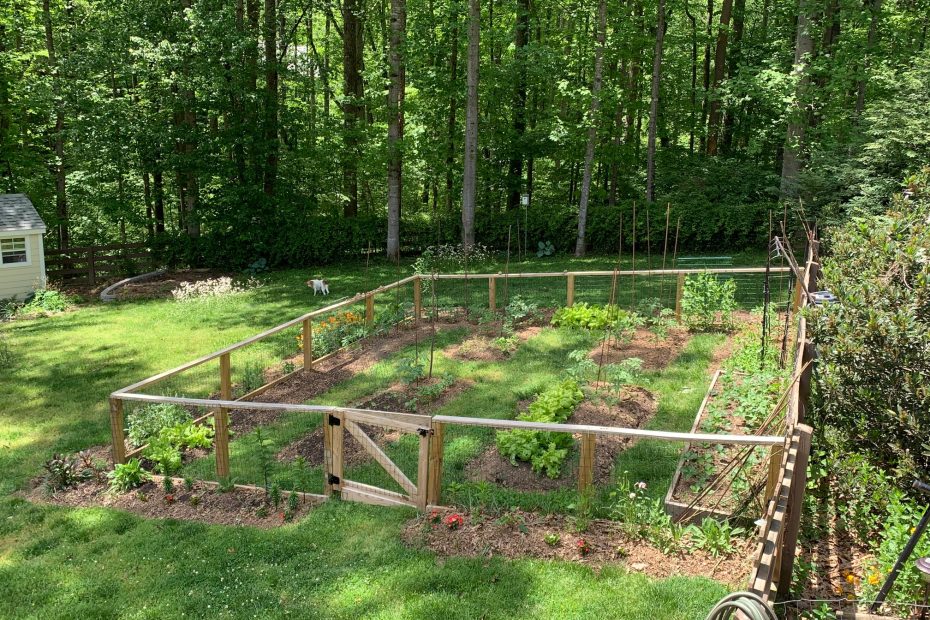
Spring crops out, summer crops in, pay attention to temperature and moisture, and as always, take care of the soil.
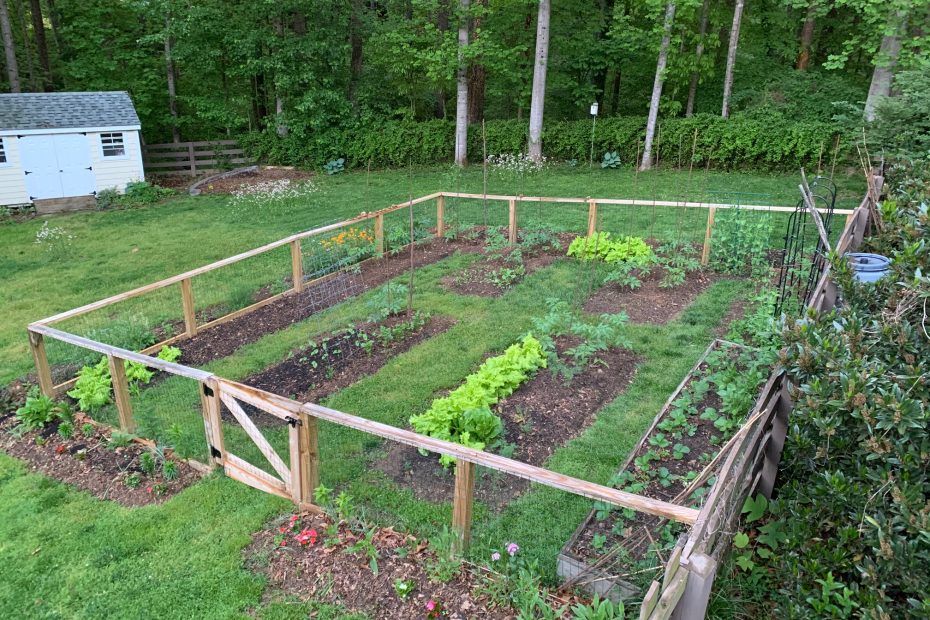
May signals edible gardeners’ summer vegetable planting season, as early planters begin to enjoy harvesting cool weather crops.